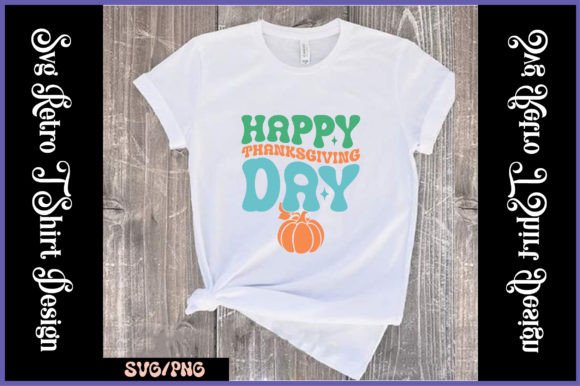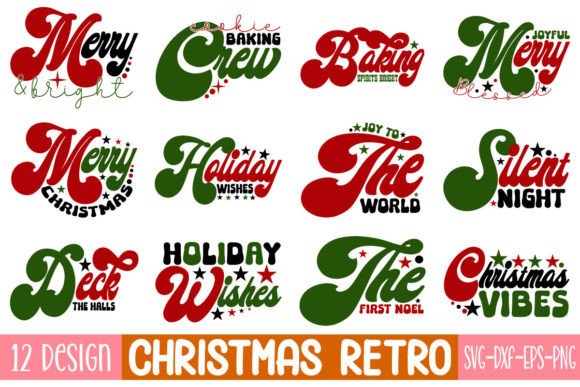
Christmas Retro SVG and SVG Design File Review
When I first opened the Christmas Retro SVG and SVG Design File, I didn't just see a vector shape; I saw a specific mood. There is a distinct nostalgia in this design that feels less like modern minimalism and more like a vintage holiday card from a cozy cabin. As an experienced designer who reviews assets for real-world application, my immediate reaction was to visualize how this would translate from a digital screen to a physical stitch. The retro aesthetic suggests warmth, tradition, and approachability, which are exactly the emotions you want to evoke when selling handmade goods during the holiday season.
This isn't just another generic ornament clipart. It carries a personality that stands out against the sea of bright reds and greens that dominate the market every December. For craft business owners and Etsy sellers looking to differentiate their boutique products, this Christmas Retro SVG and SVG Design File offers a unique visual hook. It feels designed for people who appreciate a touch of whimsy and history in their decor, making it perfect for items that need to feel heirloom-quality rather than mass-produced.
From Digital Vector to Stitched Reality
The transition from a cut file intended for machines like Cricut or Silhouette to a machine embroidery design requires careful consideration. While the product description notes these are cutfiles designed for cutting machines, many designers adapt high-quality vectors for embroidery by tracing them into satin and fill stitches. If you are planning to use this as a machine embroidery design, the retro style translates beautifully because it relies on bold outlines and solid shapes rather than intricate gradients or tiny text that often get lost in stitching.
I envision this design sitting perfectly centered on a heavyweight canvas tote bag. The retro vibe pairs exceptionally well with natural fabric textures. When stitched onto a beige or cream-colored canvas, the contrast creates a sophisticated, artisanal look that customers immediately associate with quality. However, if you were to attempt this on a thin, stretchy t-shirt without proper stabilization, the retro curves might pucker, ruining the clean lines that define the aesthetic. This highlights why understanding your substrate is crucial before committing to a project.
For small business merchandise, such as custom aprons for a holiday pop-up shop or branded sweatshirts for a creative team, this design adds instant character. It works as a standalone piece or as part of a larger collection. Imagine a set of matching kitchen towels featuring this motif alongside simple script text. The finished product would look cohesive and professionally curated, elevating the perceived value of the item enough to justify a higher price point in an online store.
Real-World Application and Product Value
In my experience reviewing design assets, the most successful projects are those where the design fits the function of the item. Christmas Retro SVG and SVG Design File shines brightest on flat surfaces or slightly curved areas where the eye can take in the full composition. A baby onesie or a christening gown could benefit from the gentle, nostalgic charm of this pattern. Parents often seek gifts that feel timeless, and a retro-stitched design on soft cotton or fleece appeals directly to that desire for enduring quality.
Consider the scenario of creating personalized holiday gifts for clients. You might be designing a series of embroidered patches to sell at a craft fair. The strong lines of this design allow for excellent definition even in smaller sizes, provided the stitch density is managed correctly. When applied to a denim patch, the retro theme complements the rugged texture of the fabric, creating a look that feels both vintage and durable. Customers browsing a booth filled with similar items will likely gravitate toward the one that tells a story, and this design certainly does.
Furthermore, for digital product sellers, having a versatile asset like this allows for creative mockups. You can place the design on various backgrounds to create printable previews for your listings. Whether it is a pillow cover, a tea towel, or a decorative banner, the visual appeal remains consistent. The design acts as a reliable anchor for your brand identity, ensuring that your handmade product line maintains a professional and recognizable style across different platforms.
Strategic Considerations and Limitations
While the aesthetic is strong, practical execution requires caution. Not every surface is suitable for this type of detailed work. If you are working with dark fabrics, the thread colors must be chosen carefully to ensure visibility without overwhelming the background. Conversely, on very light fabrics, the density of the fill stitches needs to be checked to prevent the design from feeling too heavy or stiff.
There are also specific areas where this design should be used sparingly. Small hoop sizes present a challenge; if the retro elements include fine details or tiny lettering, they may become muddy or indistinguishable when compressed into a 4x4 inch area. Similarly, textured fabrics like bouclé or heavy chenille can obscure the crisp lines that make the retro style effective. In these cases, the design might lose its impact, so testing on scrap fabric is non-negotiable.
Curved surfaces like caps or hats require additional technical skill. The distortion inherent in stitching on a curve can alter the proportions of the retro shapes, potentially making them look unbalanced. If you plan to use this for embroidered patches or cap designs, you must account for the curvature in your digitization process or choose a placement area that is relatively flat. Additionally, for products that require frequent washing, such as aprons or children's clothing, the durability of the stitch pattern becomes a priority. Dense stitch areas can trap lint or wear down faster if not secured properly with the right stabilizer.
Professional Designer Notes for Success
To ensure your final output matches the potential of the Christmas Retro SVG and SVG Design File, follow these practical steps before starting production. First, always test the design on scrap fabric using the same thread colors and stabilizer you intend for the final project. This helps you gauge the stitch density and check for any potential puckering issues.
Review the design in black and white mockups to verify that the contrast holds up regardless of the color palette you choose. Compare how the design looks on both light and dark backgrounds to ensure versatility. When selecting thread colors, consider the emotional resonance of the retro theme; muted tones often enhance the vintage feel better than neon equivalents.
Confirm the licensing terms explicitly. Since this is a digital asset, you need to know if you are allowed to sell finished items created with the design commercially. Check the specific terms regarding commercial embroidery and whether you need a separate license for digital resale. Finally, inspect small details closely. Ensure that no tiny elements are too fragile to stitch reliably, especially if you are targeting a mass market where consistency is key.
By approaching this asset with a critical eye and a focus on technical execution, you can transform a simple vector file into a standout component of your creative portfolio. Whether you are a hobbyist making gifts for family or a seasoned entrepreneur building a brand, Christmas Retro SVG and SVG Design File offers a solid foundation for creating memorable, high-quality holiday embroidery projects that resonate with buyers.