Happy Harvest Retro SVG: A Designer's Reality Check
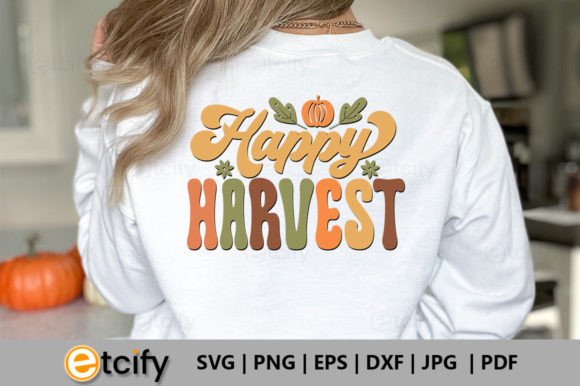
When I first opened the Happy Harvest Retro SVG, my immediate reaction wasn't about the file format or the compatibility with my cutting machine. As someone who spends hours stitching, hooping, and troubleshooting thread breaks, my eyes went straight to the visual weight and the mood of the design. It carries a distinct warmth that feels less like a generic clipart and more like a memory of a crisp autumn afternoon. The retro aesthetic isn't just a trend; it offers a specific texture and personality that translates surprisingly well into physical media, provided you understand how digital lines become stitched threads.
The layout strikes a balance between playful nostalgia and professional polish. For an embroidery designer, this is the sweet spot. It has enough detail to justify a higher price point on a finished product but maintains clean lines that won't get lost in the fabric weave. Whether you are planning to sell these as part of a boutique collection or create personalized gifts for friends, the design holds up under scrutiny. It screams "handmade" without looking amateurish, which is a delicate line to walk in the world of small business merchandise.
From Digital File to Finished Product: The Real-World Test
I recently decided to put the Happy Harvest Retro SVG through its paces on a custom embroidered tote bag project for a local craft fair. My goal was to create a limited-run accessory that felt cozy and inviting. The design's composition works beautifully here because the central motif anchors the eye while the surrounding elements frame the canvas perfectly. When I imported the vector data into my digitizing software, the curves flowed naturally, suggesting a smooth transition from satin stitch to fill stitch areas.
The real test, however, happened when the needle started moving. On the sturdy cotton canvas of the tote, the design didn't crowd the space. It allowed the fabric to breathe, creating a balanced look that customers can appreciate from a distance. This is crucial for commercial embroidery where visibility matters. If the design were too dense, it would have felt heavy and stiff, ruining the drape of the bag. Instead, the Happy Harvest Retro SVG resulted in a flat, durable finish that survived the initial wash test without any puckering or thread bunching.
I also considered using this design for a set of holiday gift aprons. The retro theme fits perfectly with seasonal decor, evoking feelings of home cooking and family gatherings. When stitched onto a light-colored kitchen towel, the contrast options are endless. You could go with warm earth tones to match the harvest vibe or use bright primary colors to make the design pop against white fabric. This versatility makes it a valuable asset for Etsy sellers looking to diversify their inventory without reinventing the wheel every season.
Navigating Fabric and Stitch Density Challenges
While the design is robust, no single file is a magic bullet for every situation. As an experienced reviewer, I need to be honest about where the Happy Harvest Retro SVG might struggle. The most common pitfall for designers is attempting to scale down a complex vector image for tiny applications. If you try to stitch this on a 3-inch patch or a very small baby bib, the fine details in the retro flourishes might blur together. The stitch density needs to be respected; cramming too many stitches into a small area can lead to a thick, uncomfortable lump on the garment.
Fabric choice is equally critical. This design performs best on stable, woven fabrics like denim, twill, or medium-weight cotton. Stretchy knits, such as those found in t-shirts or sweatshirts, require careful stabilization. Without a high-quality cut-away stabilizer, the tension of the satin stitch could pull the fabric out of shape, especially around the curved edges of the retro lettering. Similarly, textured fabrics like bouclé or heavy fleece can hide the definition of the design, making it look muddy rather than crisp.
Another area requiring caution is dark fabric. While the design itself doesn't specify thread counts, achieving good coverage on black or navy material will likely require a significant amount of underlay stitching. If the underlay isn't sufficient, the top threads might not lay flat, resulting in a dull appearance. For these scenarios, testing on scrap fabric first is non-negotiable. You must verify that the thread colors you choose provide enough contrast to maintain the integrity of the retro shapes.
Strategic Use Cases for Designers and Makers
For those building a craft business, understanding where this design shines can mean the difference between a slow month and a bestseller. The Happy Harvest Retro SVG is particularly effective for products that benefit from a story-driven aesthetic. Think of personalized gifts for fall weddings, nursery decor for a woodland-themed room, or branded items for a coffee shop during the autumn season. The design's emotional resonance adds value beyond the physical labor of stitching.
In the realm of apparel decoration, this file is ideal for chest logos on hats or larger back prints on hoodies. The retro style pairs exceptionally well with vintage-washed garments, enhancing the overall narrative of the piece. However, be mindful of the placement. Curved surfaces like caps require precise digitizing adjustments to ensure the text follows the contour of the hat without distortion. If the original file doesn't account for curvature, you may need to manually adjust the path before exporting to your machine.
Digital product sellers should also consider how this design functions as a preview. High-quality mockups showing the Happy Harvest Retro SVG on various materials can significantly boost buyer engagement. Customers want to see how the embroidery design looks in real life, not just as a flat vector. Including images of the finished product on different backgrounds helps them visualize the final result, reducing returns and increasing trust in your brand.
Essential Notes for Professional Execution
Before you commit to a full production run, there are several technical steps every designer must take. First, always review the hoop size requirements. Ensure your design fits within the standard hoops of your machine without forcing awkward cuts. Second, inspect the small details closely. Sometimes, what looks like a solid line in a vector file can break apart into tiny, un-stitchable segments once converted to embroidery code. If you find gaps, you may need to manually close them in your editing software.
Licensing is another factor that cannot be overlooked. Since the product description mentions usage for t-shirts, stickers, and commercial items, you must confirm whether the license allows for selling finished goods. Some digital embroidery files are for personal use only, while others permit commercial resale. Checking these terms protects your small shop product line from legal issues. Additionally, compare light and dark fabric backgrounds in your mockups to ensure the design remains legible across all variations.
Ultimately, the Happy Harvest Retro SVG is a strong candidate for anyone looking to add a touch of seasonal charm to their portfolio. Its success depends less on the file itself and more on the care taken during the digitizing and stitching process. By respecting the limits of fabric and thread, and by choosing the right projects, you can turn this digital graphic into a tangible, high-value handmade product. Whether you are creating a one-off gift or scaling up for a holiday rush, this design offers a reliable foundation for creative expression.