Coffee Loading Please Wait Retro SVG Review
I have spent years evaluating design assets for both personal hobbies and commercial ventures. When I first encountered the Coffee Loading Please Wait Retro SVG, my initial reaction was one of immediate recognition. It taps into a specific mood that is currently dominating the crafts and graphics landscape: the nostalgic, slightly chaotic energy of waiting for your morning caffeine fix. But as an experienced designer, I know that a cute concept does not always translate to a high-quality embroidery project. The real test happens when you load this file into your machine and stitch it out on actual fabric.
The First Impression: Mood and Visual Personality
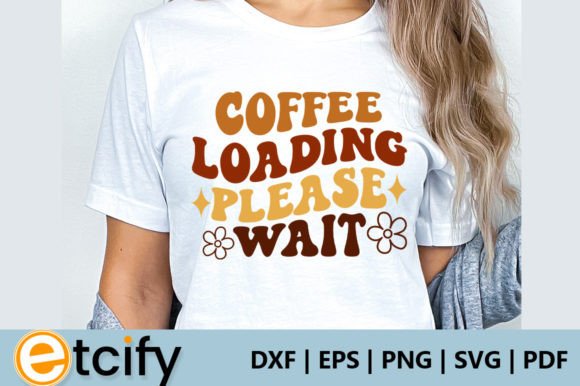
The design exudes a warm, vintage charm that feels perfect for the modern maker. The layout suggests a loading bar or a digital progress indicator, but rendered with a retro aesthetic that screams "cozy coffee shop." For a machine embroidery design, the visual personality is crucial because it dictates how customers perceive the finished product. This piece isn't just about text; it is about the feeling of anticipation. It creates an instant connection with anyone who has ever stood in line at a busy cafe or stared at a spinning icon on their computer screen.
From a design standpoint, the lines appear clean and the typography has enough character to stand out without being overwhelming. It strikes a balance between playful and professional, which is a rare find in digital embroidery files. If you are looking to create a handmade product that feels authentic rather than mass-produced, this design offers the right amount of personality to elevate a simple item into something memorable.
Real-World Application: A Case Study
To truly understand the potential of the Coffee Loading Please Wait Retro SVG, let's look at a practical scenario. Imagine you are preparing for a local craft fair or fulfilling a rush order for an Etsy customer. You decide to create a custom embroidered tote bag for a local coffee roaster's anniversary event. The client wants something unique that captures the spirit of their brand while appealing to their regulars.
I ran this design through my workflow to see how it would perform on a heavy-duty canvas tote. The retro theme fits perfectly with the rugged texture of the canvas. As I stitched, the design held its shape well, creating a focal point that draws the eye immediately. The humor in the message resonates with the audience, turning a simple utility item like a tote bag design into a conversation starter. Customers at the booth stopped to ask about the joke, which is exactly what you want for a small business merchandise item. It adds value to the finished product because it feels personalized and thoughtful.
This same design could easily transition to a sweatshirt embroidery project for a holiday gift or a baby onesie for a new parent who needs their caffeine urgently. The versatility allows it to fit into various niches, from kitchen towel decorations to nursery decor. However, the success of the project depends heavily on how you execute the stitching.
Performance in Embroidery Situations
When evaluating any embroidery file, we must consider where it shines and where it might struggle. In terms of visual appeal, this design excels on medium-to-large surface areas. On a standard 4x4 hoop, the details remain crisp, making it ideal for custom apparel like t-shirts or caps. The retro style translates beautifully to satin stitch, giving the letters a smooth, polished look that contrasts nicely with fill stitches used for any graphical elements.
For commercial embroidery projects, such as branding for a boutique or creating small shop products for resale, this design offers strong recognition potential. It is distinct enough to be identified quickly, which is vital for brand consistency. Whether you are creating holiday embroidery gifts or personalized gifts for weddings, the design carries a friendly tone that appeals to a wide demographic.
However, there are specific situations where caution is required. If you attempt to use this design on a very small hoop size, you risk losing the nuance of the retro font. Tiny lettering can become illegible if the stitch density is too high or if the fabric pulls during stitching. Similarly, working with textured fabrics or thin materials requires careful planning. The design relies on clear lines, so a highly textured wool or a flimsy linen might distort the image, leading to a lack of stitching clarity.
Dark fabrics present another challenge. While the retro vibe works well on dark backgrounds, you must ensure you select thread colors with sufficient contrast. If the background is black or navy, using a light gray or off-white thread might result in a muddy appearance. Always test your color combinations before committing to a full production run. Additionally, for items that require frequent washing, such as aprons or kitchen towels, check the stability of the design. Dense stitch areas can sometimes cause puckering if the stabilizer is not chosen correctly.
Practical Designer Notes for Success
Before you start stitching, there are several technical steps every embroidery designer should take to ensure the best results. First and foremost, test the design on scrap fabric. This is non-negotiable. You need to see how the stitch density interacts with your specific fabric type. Does the fabric pucker? Do the threads break? These issues are much easier to solve on a scrap than on a $50 garment.
Review the hoop size requirements carefully. If the design is large, you may need to reposition the hoop, which can affect alignment. Inspect small details closely; sometimes, tiny elements in a vector file do not translate well to thread. If you are unsure about the complexity, try converting the design to a black and white mockup to see if the composition holds up without the distraction of color.
Using the proper stabilizer is critical for maintaining the integrity of the design. For stretchy fabrics like sweatshirts, a cut-away stabilizer is often necessary to prevent distortion over time. Also, confirm whether the file includes formats compatible with your software, such as SVG for cutting machines or PES/EXP for embroidery machines, as the product description mentions compatibility with Cricut and Silhouette, but you need to verify the specific embroidery formats available.
Finally, never skip the licensing check. If you plan to sell the finished product or use the design in printable mockups for your online store, you must confirm the commercial rights. Some design assets are for personal use only, while others allow for unlimited sales. Understanding these terms protects your craft business and ensures you can operate with confidence.
Final Verdict
The Coffee Loading Please Wait Retro SVG is more than just a fun graphic; it is a versatile tool for creative entrepreneurs and hobbyists alike. Its ability to convey a relatable emotion makes it a strong candidate for apparel decorators and Etsy sellers looking to add a touch of humor and nostalgia to their inventory. By paying attention to fabric selection, thread colors, and stabilization techniques, you can transform this digital file into a stunning embroidered patch, a cozy pillow cover, or a trendy baby embroidery item.
Ultimately, the value of this design lies in its execution. When handled with care and professional insight, it elevates the perceived quality of your work, building trust with your customers and enhancing the overall presentation of your handmade goods. For those willing to put in the preparation time, this design is a solid addition to any embroidery project library.